
Style

Yuta Ishihara, Japanese excellence in precious jewelry

If you love Japan, you absolutely must check out the work of Yuta Ishihara, creator of Shihara and Yutai jewelry.

By Sandrine Merle.


Very discreet and impressive. Yuta Ishihara has incredible charisma with his long black hair, powerful gaze, and his look of wide-leg pants, sweater, and leather jacket in sober colors by The Row and Christophe Lemaire. Fresh out of Hiko Mizuno College of Jewelry, he launched his brand Shihara in 2010, followed a few years later by Yutai. From designer, he became curator when he opened the Shihara Lab boutique, where he promotes the work of Western designers, including Italian Francesca Villa. “In addition to being charming and extremely respectful, Yuta knows how to judge jewelry and is very familiar with the Asian market, so his advice is always very wise,” she explains. Crazy about cars and especially skiing, in winter he flies to Niseko, a mecca for free riders.


Shihara, a radical approach

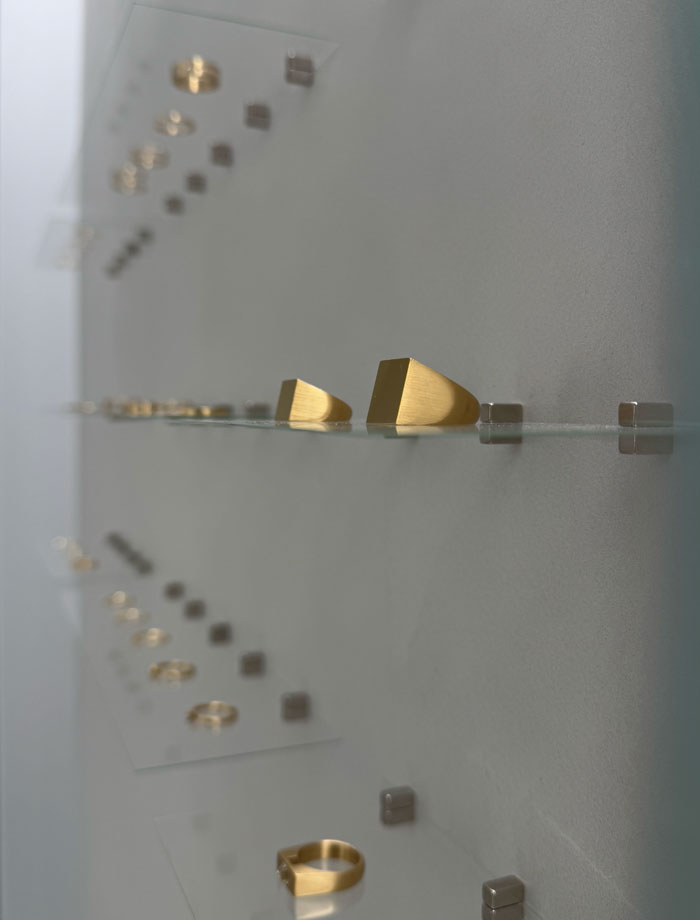
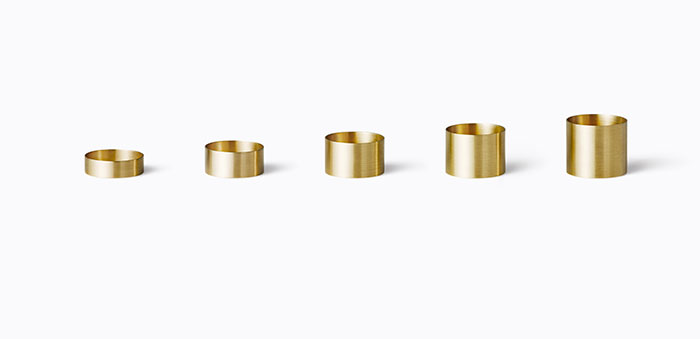
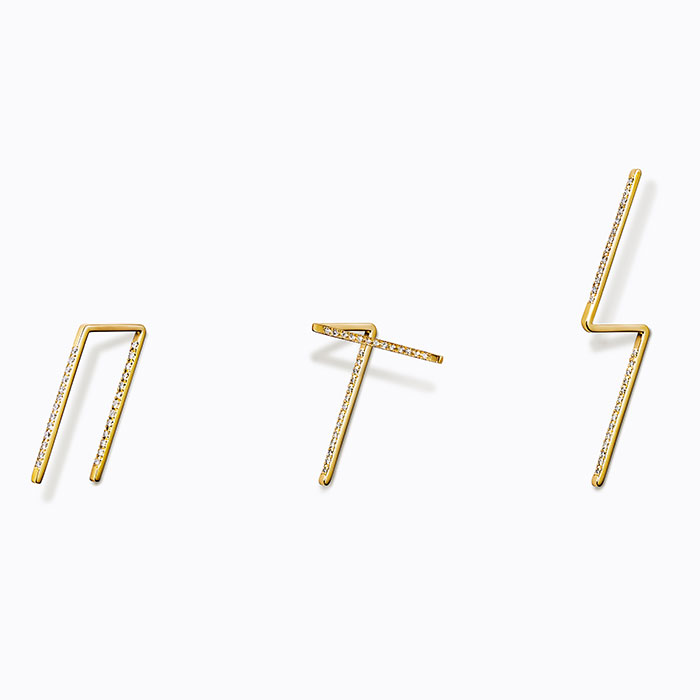
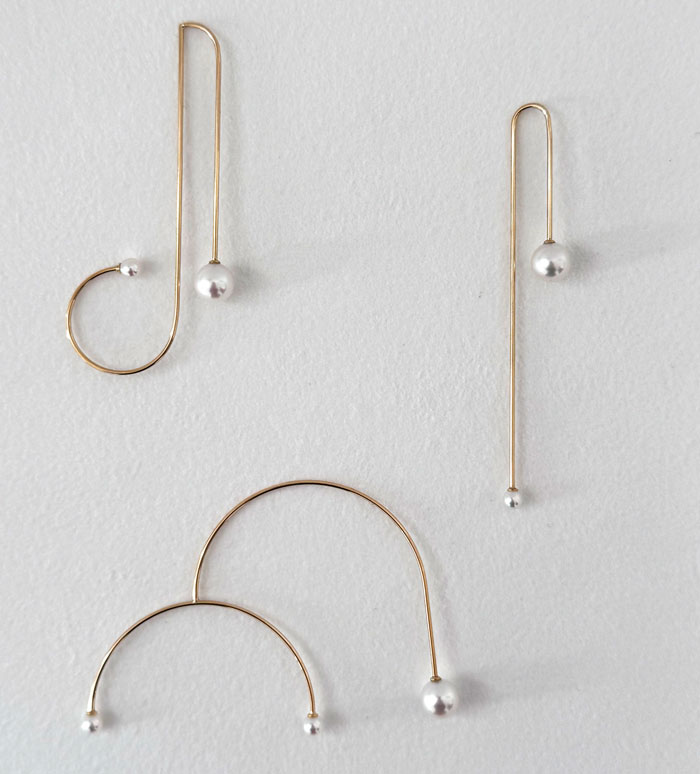
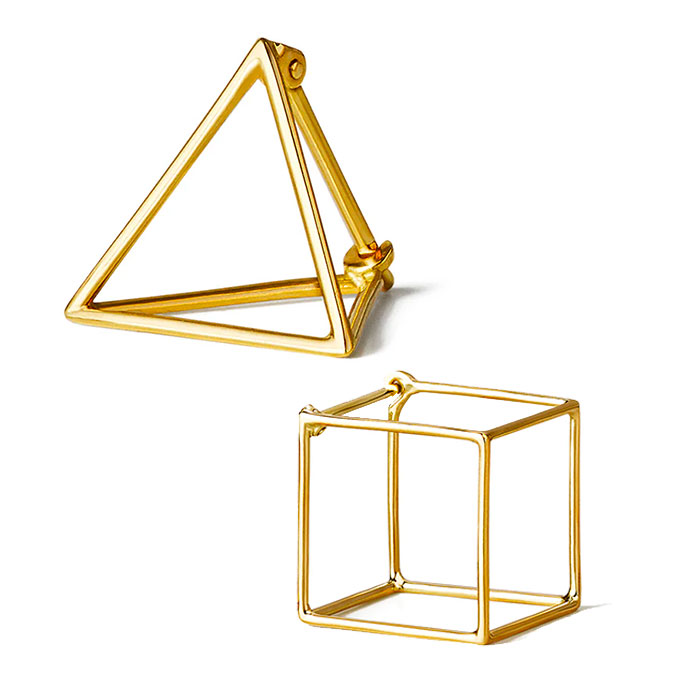
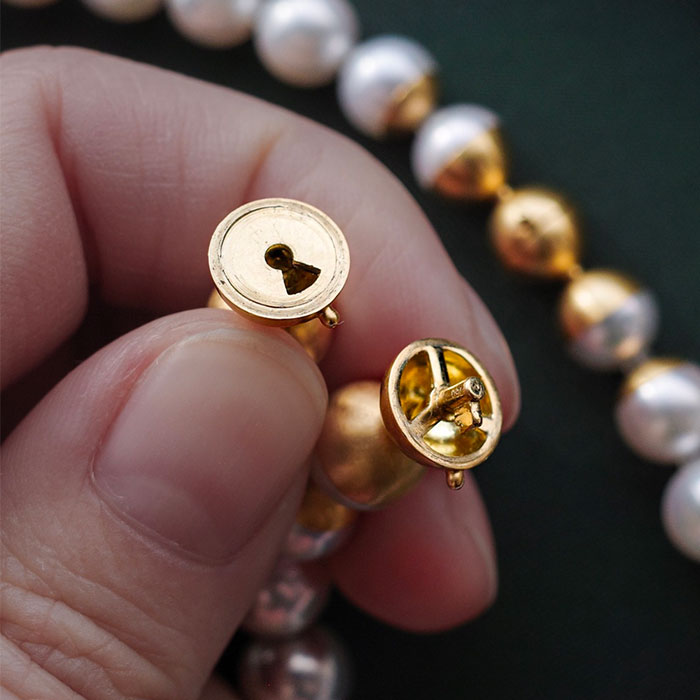
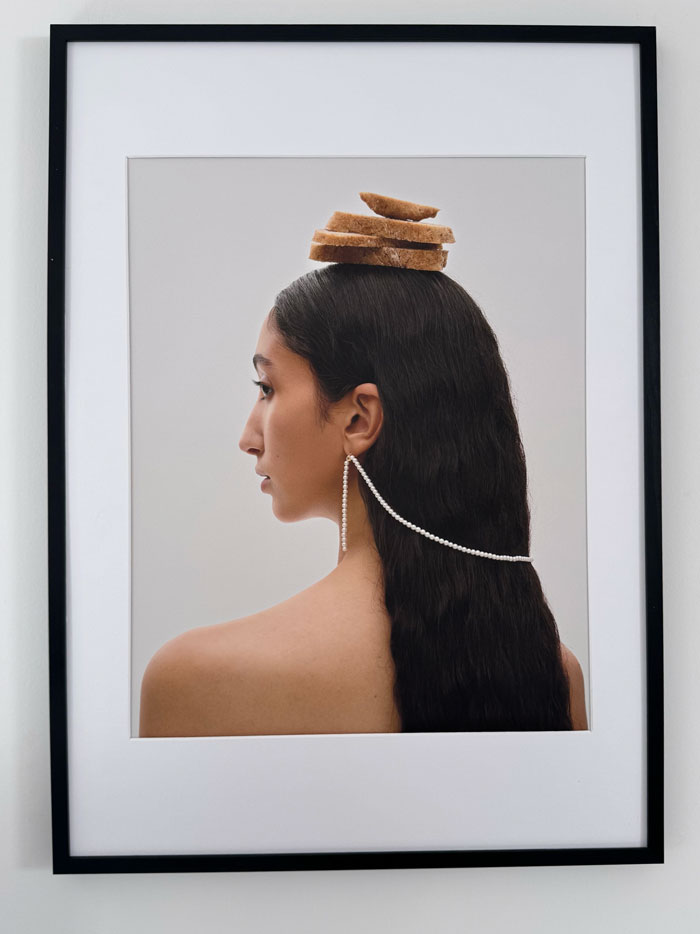
The Shihara jewelry collections have a very Japanese approach: they sculpt the air. In space, gold threads trace circles, T’s and X’s, three-dimensional structures. Everything is genderless. There are no precious stones (except for micro diamonds) or functional elements to disrupt the design. It is impossible to detect the clasp integrated into a pearl or a pivoting diamond setting. The edges of the cube- and cone-shaped earrings open to envelop the lobe, allowing each person to wear them as they wish. Clasps and barrettes allow the proportions to be modified and the number of ways to wear them to be multiplied. The lightness of the void structured by lines, the idea that simplicity is superior to ornamentation, and infinite modularity are reflected in the boutique. Made entirely of glass (designed by the studio), it blends into the urban environment. The stools designed by the creator himself can be transformed into an armchair, a table, or a shelf.


Yutai, the second facet of Yuta Ishihara

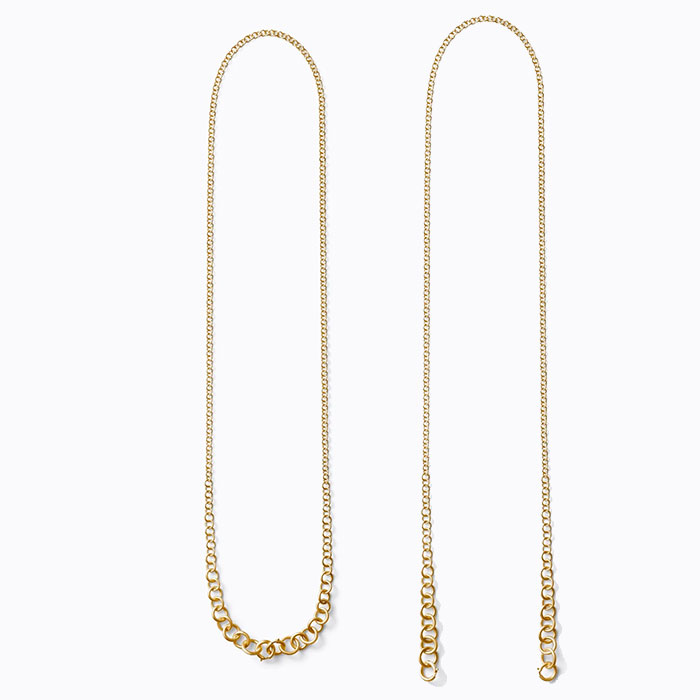
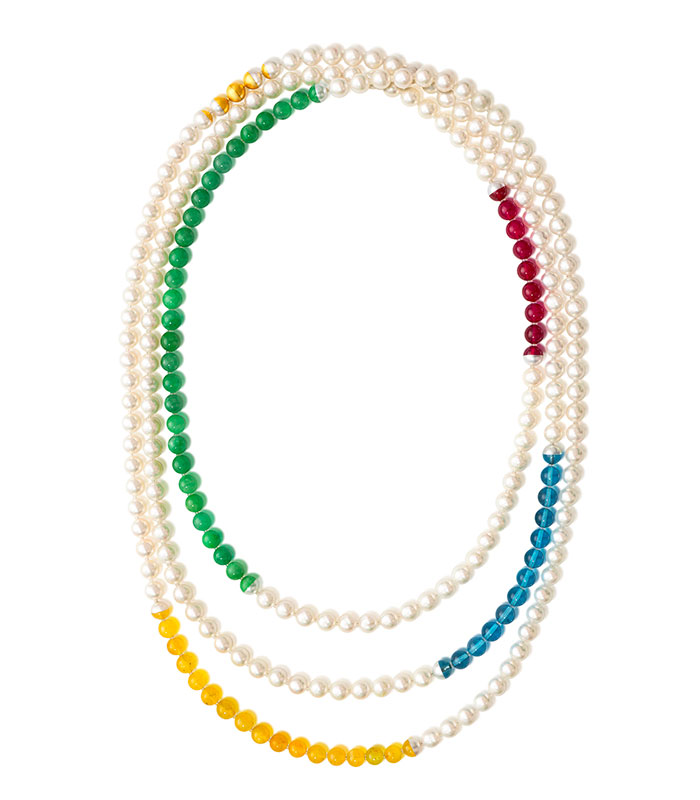
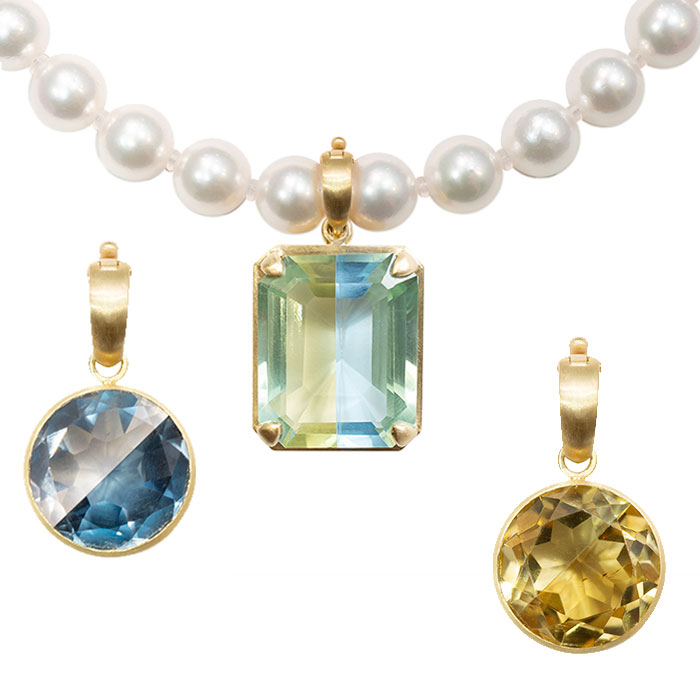
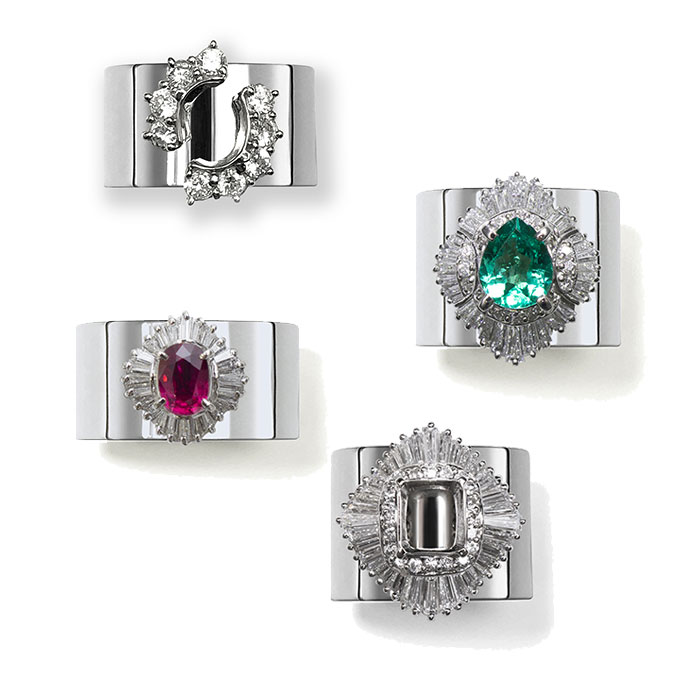
The other facet of Yuta Ishihara, his deep feeling for materials and colors, is evident in Yutai. He reinterprets Akoya pearl necklaces, perfectly round and white (cultivated in Japan), with strings of green jade, sapphire, turquoise, and other gemstones. He also reassembles the center stone (ruby, emerald, or sapphire) surrounded by a skirt of diamonds typical of mass-produced rings from the 1980s, on a very wide band. Marie Lichtenberg, who meets him every year at the Couture show in Las Vegas, makes no secret of her admiration for “the way he looks at jewelry, touches it, turns it every which way, and above all for his technical prowess with clasps, the most difficult thing to develop.” These silent technical feats also emerge in the optical illusion created by several stones forming a single two-tone or striped stone.


To discover Yuta Ishihara’s work, head to Omotesendo

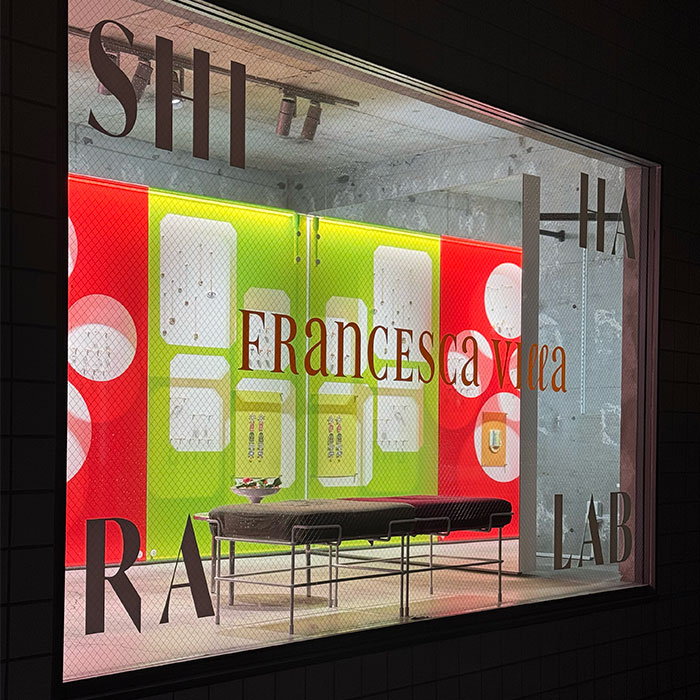
If you are in Tokyo, stop by the Shihara boutique in Aoyama and then continue for a few minutes through the alleys towards Harajuku to reach Shihara Lab. With any luck, there will be a trunk show for which he creates exuberant scenographies, with windows lined with figurative, pop, joyful, colorful, striped, or floral motifs. Yuta Ishihara has opened his own workshop in this same neighborhood, whereas until recently, all pieces were made in Yamanashi Prefecture, Japan’s jewelry production center since the Edo period. It is also where he was born to florist parents and where he grew up. Was this what predestined him to make jewelry? He believes it was more likely the numerous archaeological discoveries, as the prefecture is one of the richest in Jomon, or prehistoric, sites.


We met several times in Paris and Tokyo, but it’s difficult to find out more. “He is extremely modest and never says much,” confirms Marie Lichtenberg. Reserve is in his nature, and his sense of politeness prevents him from putting himself forward… How charming compared to Western storytellers.


To discover all articles related to Japan, click here.

If you love Japan, you absolutely must check out the work of Yuta Ishihara, creator of Shihara and Yutai jewelry.

By Sandrine Merle.


Very discreet and impressive. Yuta Ishihara has incredible charisma with his long black hair, powerful gaze, and his look of wide-leg pants, sweater, and leather jacket in sober colors by The Row and Christophe Lemaire. Fresh out of Hiko Mizuno College of Jewelry, he launched his brand Shihara in 2010, followed a few years later by Yutai. From designer, he became curator when he opened the Shihara Lab boutique, where he promotes the work of Western designers, including Italian Francesca Villa. “In addition to being charming and extremely respectful, Yuta knows how to judge jewelry and is very familiar with the Asian market, so his advice is always very wise,” she explains. Crazy about cars and especially skiing, in winter he flies to Niseko, a mecca for free riders.


Shihara, a radical approach

The Shihara jewelry collections have a very Japanese approach: they sculpt the air. In space, gold threads trace circles, T’s and X’s, three-dimensional structures. Everything is genderless. There are no precious stones (except for micro diamonds) or functional elements to disrupt the design. It is impossible to detect the clasp integrated into a pearl or a pivoting diamond setting. The edges of the cube- and cone-shaped earrings open to envelop the lobe, allowing each person to wear them as they wish. Clasps and barrettes allow the proportions to be modified and the number of ways to wear them to be multiplied. The lightness of the void structured by lines, the idea that simplicity is superior to ornamentation, and infinite modularity are reflected in the boutique. Made entirely of glass (designed by the studio), it blends into the urban environment. The stools designed by the creator himself can be transformed into an armchair, a table, or a shelf.


Yutai, the second facet of Yuta Ishihara

The other facet of Yuta Ishihara, his deep feeling for materials and colors, is evident in Yutai. He reinterprets Akoya pearl necklaces, perfectly round and white (cultivated in Japan), with strings of green jade, sapphire, turquoise, and other gemstones. He also reassembles the center stone (ruby, emerald, or sapphire) surrounded by a skirt of diamonds typical of mass-produced rings from the 1980s, on a very wide band. Marie Lichtenberg, who meets him every year at the Couture show in Las Vegas, makes no secret of her admiration for “the way he looks at jewelry, touches it, turns it every which way, and above all for his technical prowess with clasps, the most difficult thing to develop.” These silent technical feats also emerge in the optical illusion created by several stones forming a single two-tone or striped stone.


To discover Yuta Ishihara’s work, head to Omotesendo

If you are in Tokyo, stop by the Shihara boutique in Aoyama and then continue for a few minutes through the alleys towards Harajuku to reach Shihara Lab. With any luck, there will be a trunk show for which he creates exuberant scenographies, with windows lined with figurative, pop, joyful, colorful, striped, or floral motifs. Yuta Ishihara has opened his own workshop in this same neighborhood, whereas until recently, all pieces were made in Yamanashi Prefecture, Japan’s jewelry production center since the Edo period. It is also where he was born to florist parents and where he grew up. Was this what predestined him to make jewelry? He believes it was more likely the numerous archaeological discoveries, as the prefecture is one of the richest in Jomon, or prehistoric, sites.


We met several times in Paris and Tokyo, but it’s difficult to find out more. “He is extremely modest and never says much,” confirms Marie Lichtenberg. Reserve is in his nature, and his sense of politeness prevents him from putting himself forward… How charming compared to Western storytellers.


To discover all articles related to Japan, click here.
Most read articles