

My agenda

An invitation to discover Japan — Stillness and Substance at Sotheby’s Paris

From 1 to 6 October, I will have the pleasure of presenting my exhibition Japan - Sillness and Substance (Japon, Murmures et Matières ) at Sotheby’s Paris, celebrating contemporary Japanese jewelry. The exhibition is part of Parcours Bijoux 2026, the triennial dedicated to contemporary jewelry.

From 1 to 6 October, I will have the pleasure of presenting my exhibition Japan – Sillness and Substance (Japon, Murmures et Matières ) at Sotheby’s Paris, celebrating contemporary Japanese jewelry. At Sotheby’s Paris, the exhibition is part of Parcours Bijoux 2026, the triennial dedicated to contemporary jewelry.

By Sandrine Merle.


Japan – Stillness and Substance (Japon, Murmures et Matières) is the natural culmination of my work in the field of jewelry and of my many journeys to Japan. These travels have given me the opportunity to meet designers and artists in their own environments. Some encounters took place in studios in Tokyo, while others required several hours of travel by train. These relationships developed through patient conversations, sometimes slowed by the language barrier, but always driven by the same curiosity and shared passion.

This is how Japan – Stillness and Substance came into being.

The exhibition is not intended to offer an exhaustive overview of contemporary Japanese jewelry. Instead, it brings together seven artists whose work struck me through its quiet intensity, its profound relationship with materials and its ability to transform the way we perceive what a piece of jewellery can be.

Here, value emerges from gesture, time, the transformation of materials and the emotional resonance they carry. In the privacy of the artists’ studios, I was able to observe their gestures, explore their techniques and attempt to understand how a culture shapes a particular way of making jewelry.

Their pieces never seek to dazzle. To view them solely through the conventional codes of fine jewelry—brilliance, preciousness and market value—would be to overlook their true worth.

Here is an exclusive preview of the seven artists featured in Japan – Stillness and Substance.


Mariko Sumioka

Mariko Sumioka spent part of her childhood in Brazil and now draws much of her inspiration from Japanese architecture.

She works primarily with silver, enamel on copper, mother-of-pearl, coral and gold, selecting each material for its physical, chromatic and symbolic qualities. Her technique involves assembling individual elements to create patterns reminiscent of the overlapping tiles found on the roofs of traditional Japanese temples.


Aya Iwata

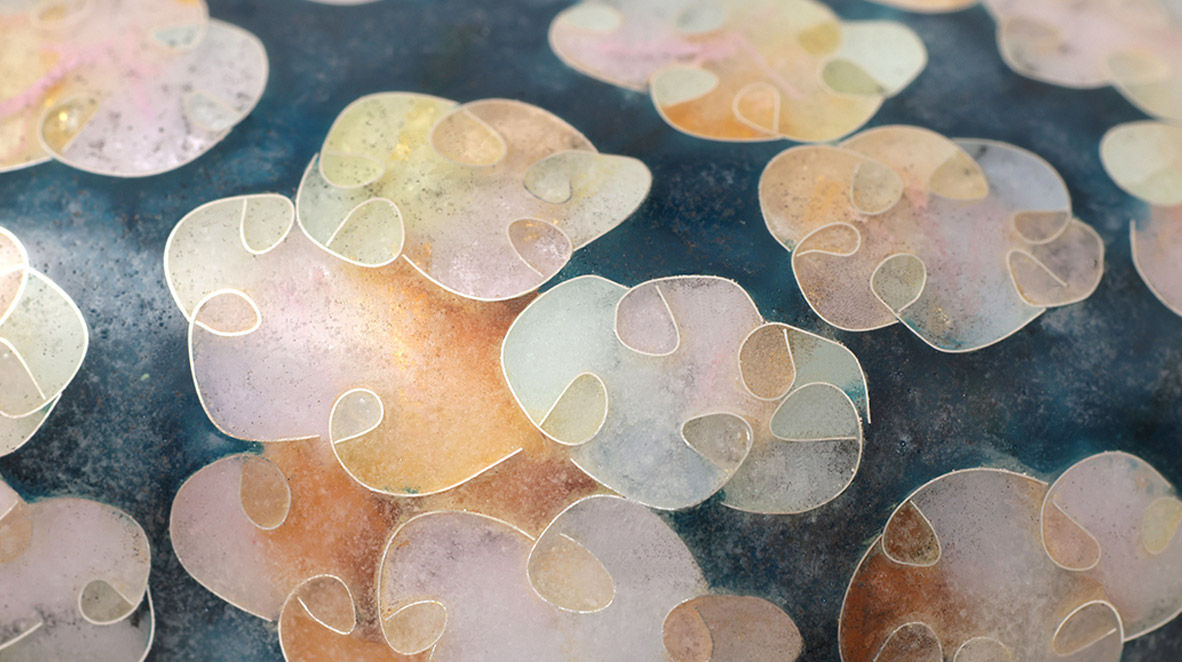
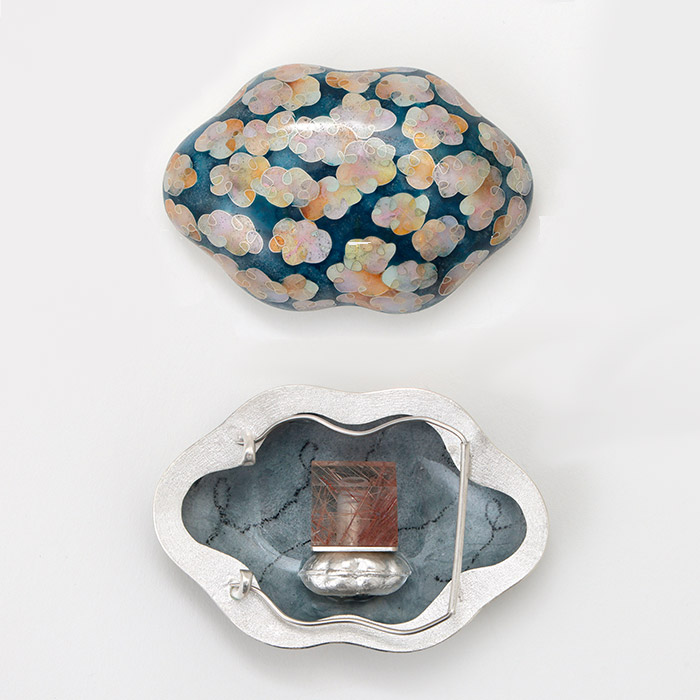
Aya Iwata works primarily with silver, glass paste and cloisonné enamel, which acquires a unique depth during the firing process. Her Protestant faith informs her reflections on death, eternal life and consolation.

Through her emblematic series of brooches, Kumo-no-ie (“Houses in the Clouds”), begun following the death of her mother, she explores memory, human connection and the passage of time through material and form.

Her work is held in the collection of the Musée des Beaux-Arts de Limoges.


Shinji Nakaba

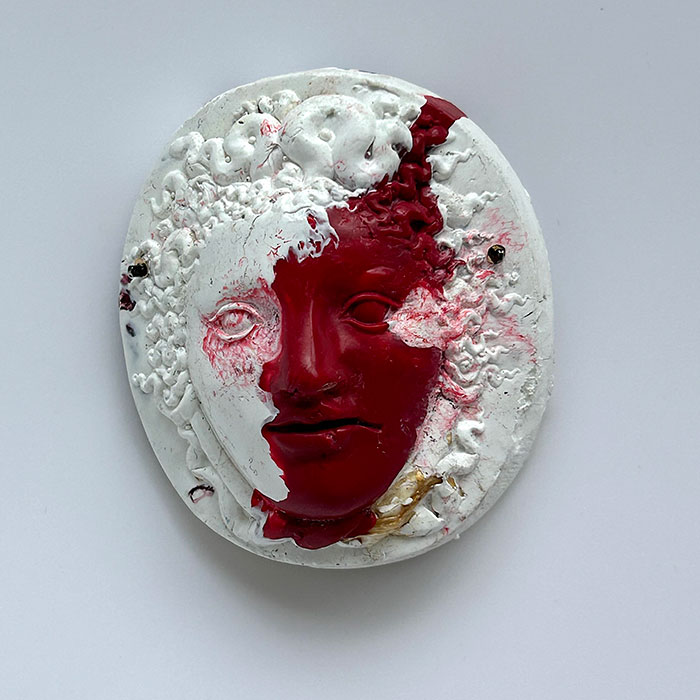
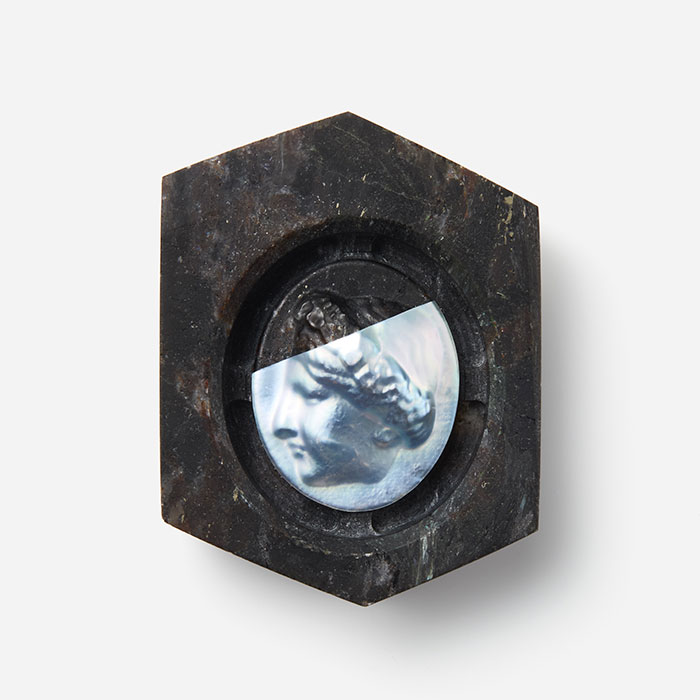
A finalist for the 2023 LOEWE FOUNDATION Craft Prize, Shinji Nakaba has developed a sculptural approach to jewelry. He is known for his distinctive use of pearls and his dedication to the art of glyptic carving.

Today, he also works with reclaimed materials such as plastic bags, adding further narrative and material complexity to his pieces.

His work is represented in the collections of institutions including the Museum of Fine Arts, Boston, and the Montreal Museum of Fine Arts.


Kimiaki Kageyama

A master goldsmith and a leading figure in jewelry education in Japan, Kimiaki Kageyama draws inspiration from techniques traditionally used to make sword fittings and armor.

These include the use of metal alloys and urushi lacquer, a resin extracted from the tree of the same name. Urushi was already being used approximately 5,500 years ago to decorate the weapons of warriors and hunters.

His work is also distinguished by the close attention he pays to materials and to the processes through which they are transformed.


Fumiki Taguchi

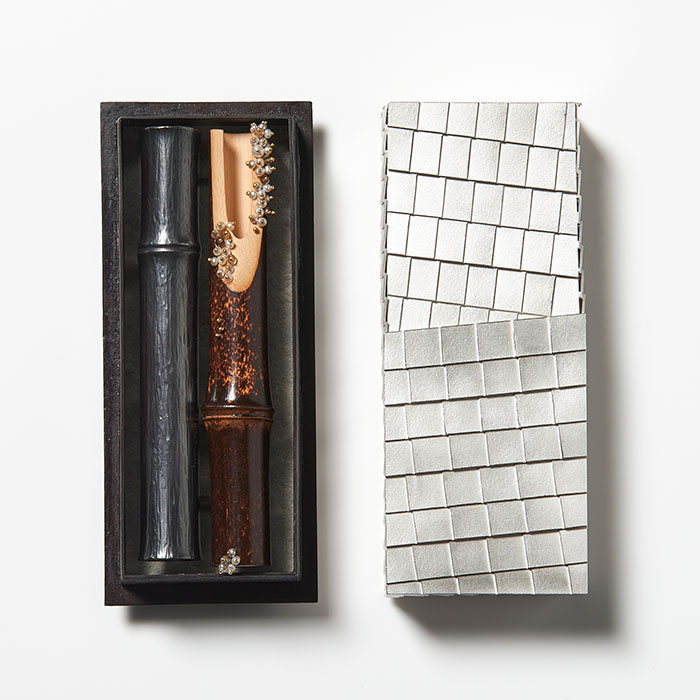
Fumiki Taguchi trained under Yasuki Hiramatsu, a pioneer of contemporary jewelry who lived from 1926 to 2012, and has conducted extensive research into silver.

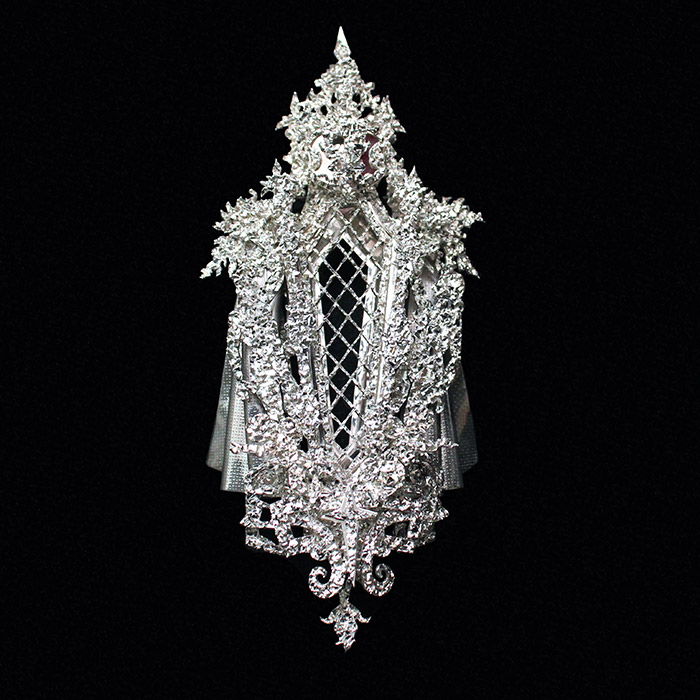
He has developed a personal interpretation of traditional Japanese metal engraving, carried out entirely by hand using a tagane chisel. By layering extremely thin, intricately cut sheets of silver, he creates compositions resembling overlapping lengths of delicate lace.

He was also a finalist for the LOEWE FOUNDATION Craft Prize in 2025.


Manami Aoki

Manami Aoki, the youngest artist in the exhibition, is a highly promising talent.

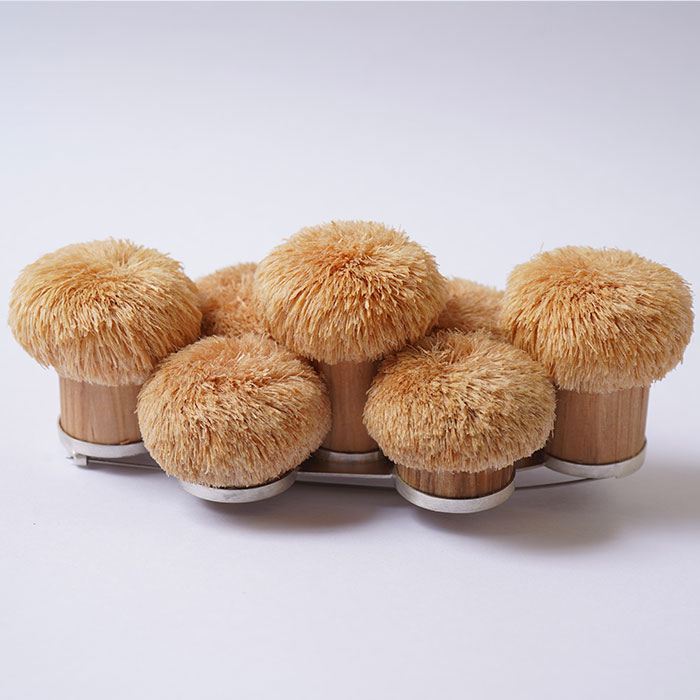
Through a long and sustained process, she establishes a subtle dialogue with wood, particularly hinoki, the Japanese cypress. For her first series, Hair of the Wood, she hammers each piece until its fibres emerge, evoking tousled hair upon waking. She then “combs” and styles the fibers to give each piece its final form.


Takashi Kojima

Takashi Kojima explores several different avenues in his work. For this exhibition, I have chosen to present the pieces in which he investigates the potential of shells used in pearl cultivation before they are discarded.

He draws particular attention to their rough, weathered and eroded outer surfaces, which are often covered with algae or other marine organisms.


Stay tuned to TFJP, where you will find a series of articles dedicated to each of the seven artists.


Japan – Stillness and Substance,  from 1 to 6 October 2026 at Sotheby’s Paris. Free entry.

A talk will be held at Sotheby’s on 1 October 2026 at 6:30 p.m. Registration is required and places are limited.


Read more about Jewelry and Japan, here.

From 1 to 6 October, I will have the pleasure of presenting my exhibition Japan – Sillness and Substance (Japon, Murmures et Matières ) at Sotheby’s Paris, celebrating contemporary Japanese jewelry. At Sotheby’s Paris, the exhibition is part of Parcours Bijoux 2026, the triennial dedicated to contemporary jewelry.

By Sandrine Merle.


Japan – Stillness and Substance (Japon, Murmures et Matières) is the natural culmination of my work in the field of jewelry and of my many journeys to Japan. These travels have given me the opportunity to meet designers and artists in their own environments. Some encounters took place in studios in Tokyo, while others required several hours of travel by train. These relationships developed through patient conversations, sometimes slowed by the language barrier, but always driven by the same curiosity and shared passion.

This is how Japan – Stillness and Substance came into being.

The exhibition is not intended to offer an exhaustive overview of contemporary Japanese jewelry. Instead, it brings together seven artists whose work struck me through its quiet intensity, its profound relationship with materials and its ability to transform the way we perceive what a piece of jewellery can be.

Here, value emerges from gesture, time, the transformation of materials and the emotional resonance they carry. In the privacy of the artists’ studios, I was able to observe their gestures, explore their techniques and attempt to understand how a culture shapes a particular way of making jewelry.

Their pieces never seek to dazzle. To view them solely through the conventional codes of fine jewelry—brilliance, preciousness and market value—would be to overlook their true worth.

Here is an exclusive preview of the seven artists featured in Japan – Stillness and Substance.


Mariko Sumioka

Mariko Sumioka spent part of her childhood in Brazil and now draws much of her inspiration from Japanese architecture.

She works primarily with silver, enamel on copper, mother-of-pearl, coral and gold, selecting each material for its physical, chromatic and symbolic qualities. Her technique involves assembling individual elements to create patterns reminiscent of the overlapping tiles found on the roofs of traditional Japanese temples.


Aya Iwata

Aya Iwata works primarily with silver, glass paste and cloisonné enamel, which acquires a unique depth during the firing process. Her Protestant faith informs her reflections on death, eternal life and consolation.

Through her emblematic series of brooches, Kumo-no-ie (“Houses in the Clouds”), begun following the death of her mother, she explores memory, human connection and the passage of time through material and form.

Her work is held in the collection of the Musée des Beaux-Arts de Limoges.


Shinji Nakaba

A finalist for the 2023 LOEWE FOUNDATION Craft Prize, Shinji Nakaba has developed a sculptural approach to jewelry. He is known for his distinctive use of pearls and his dedication to the art of glyptic carving.

Today, he also works with reclaimed materials such as plastic bags, adding further narrative and material complexity to his pieces.

His work is represented in the collections of institutions including the Museum of Fine Arts, Boston, and the Montreal Museum of Fine Arts.


Kimiaki Kageyama

A master goldsmith and a leading figure in jewelry education in Japan, Kimiaki Kageyama draws inspiration from techniques traditionally used to make sword fittings and armor.

These include the use of metal alloys and urushi lacquer, a resin extracted from the tree of the same name. Urushi was already being used approximately 5,500 years ago to decorate the weapons of warriors and hunters.

His work is also distinguished by the close attention he pays to materials and to the processes through which they are transformed.


Fumiki Taguchi

Fumiki Taguchi trained under Yasuki Hiramatsu, a pioneer of contemporary jewelry who lived from 1926 to 2012, and has conducted extensive research into silver.

He has developed a personal interpretation of traditional Japanese metal engraving, carried out entirely by hand using a tagane chisel. By layering extremely thin, intricately cut sheets of silver, he creates compositions resembling overlapping lengths of delicate lace.

He was also a finalist for the LOEWE FOUNDATION Craft Prize in 2025.


Manami Aoki

Manami Aoki, the youngest artist in the exhibition, is a highly promising talent.

Through a long and sustained process, she establishes a subtle dialogue with wood, particularly hinoki, the Japanese cypress. For her first series, Hair of the Wood, she hammers each piece until its fibres emerge, evoking tousled hair upon waking. She then “combs” and styles the fibers to give each piece its final form.


Takashi Kojima

Takashi Kojima explores several different avenues in his work. For this exhibition, I have chosen to present the pieces in which he investigates the potential of shells used in pearl cultivation before they are discarded.

He draws particular attention to their rough, weathered and eroded outer surfaces, which are often covered with algae or other marine organisms.


Stay tuned to TFJP, where you will find a series of articles dedicated to each of the seven artists.


Japan – Stillness and Substance,  from 1 to 6 October 2026 at Sotheby’s Paris. Free entry.

A talk will be held at Sotheby’s on 1 October 2026 at 6:30 p.m. Registration is required and places are limited.


Read more about Jewelry and Japan, here.

Most read articles