

Style

Fumiki Taguchi: Silver Chiseled with Light

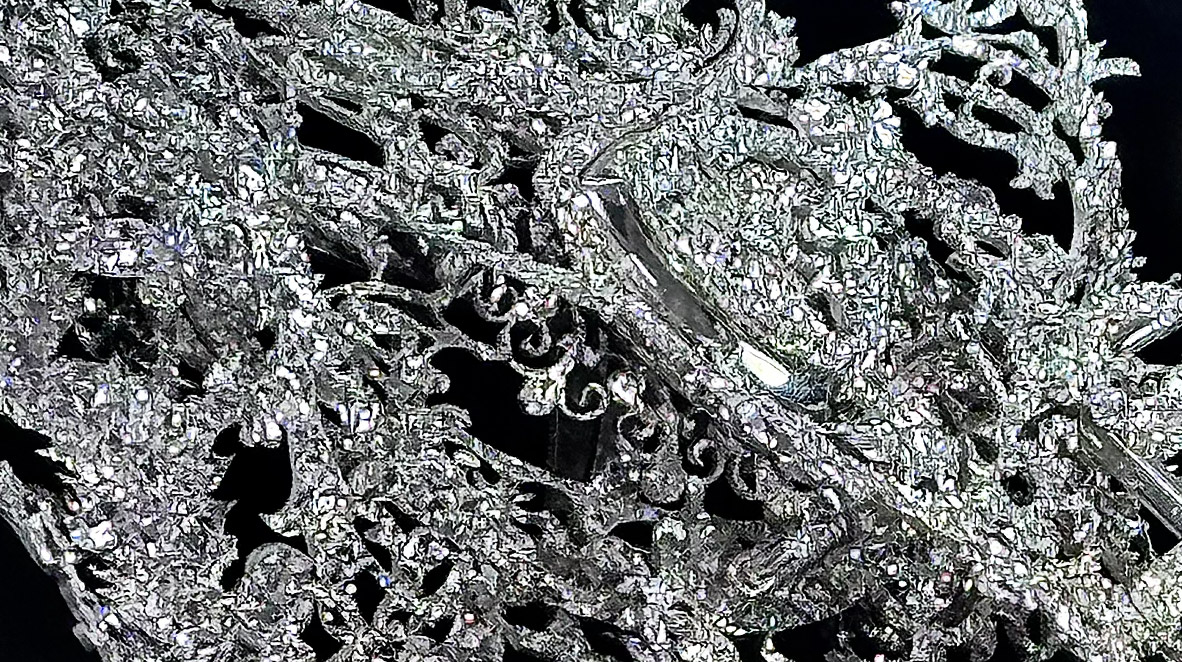
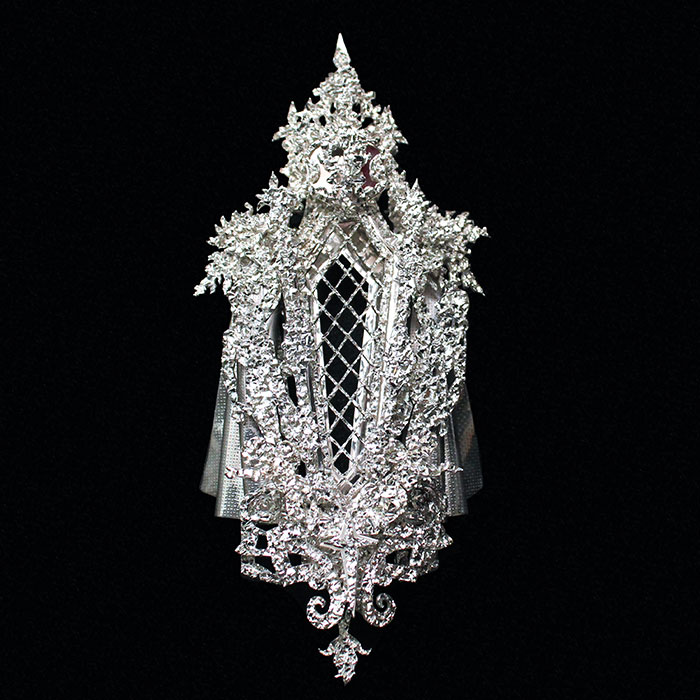
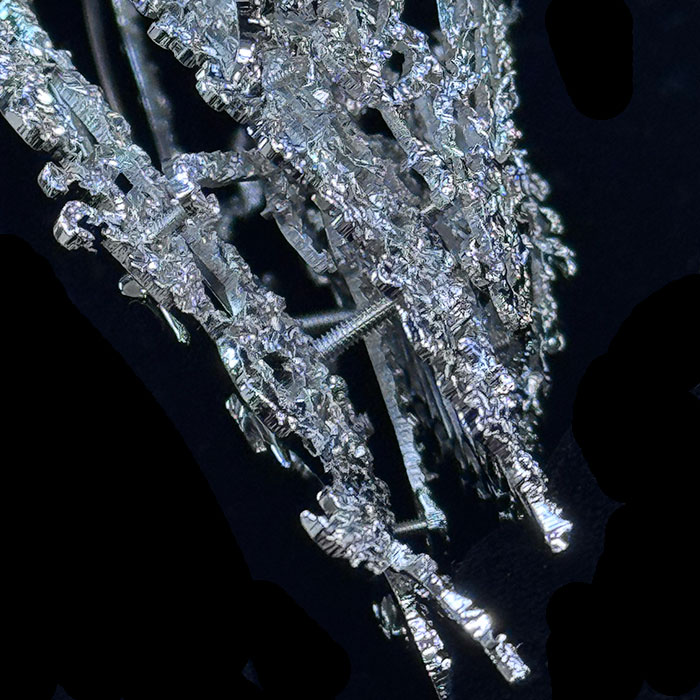
Fumiki Taguchi’s silver jewelry sparkles brilliantly; viewed up close, it reveals thousands of impressions left by the tagane, each one a facet that gives the metal the brilliance of a cut gemstone.

By Sandrine Merle.

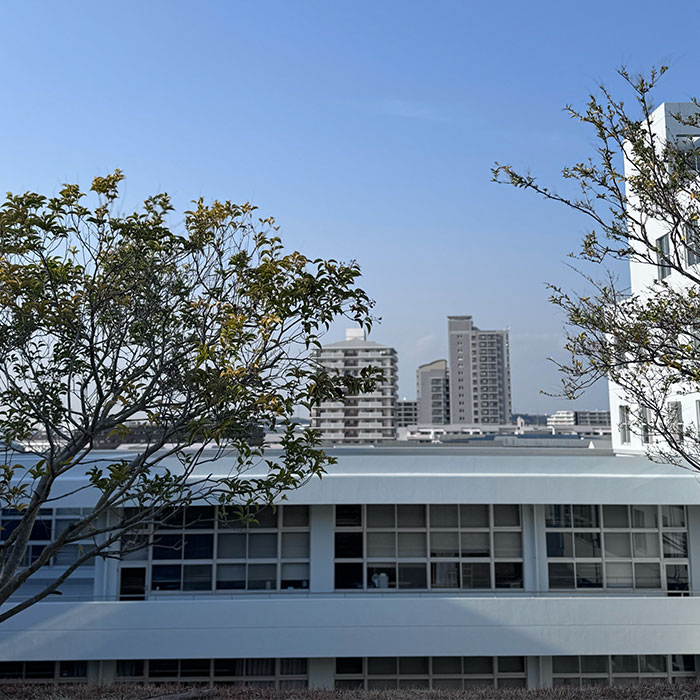
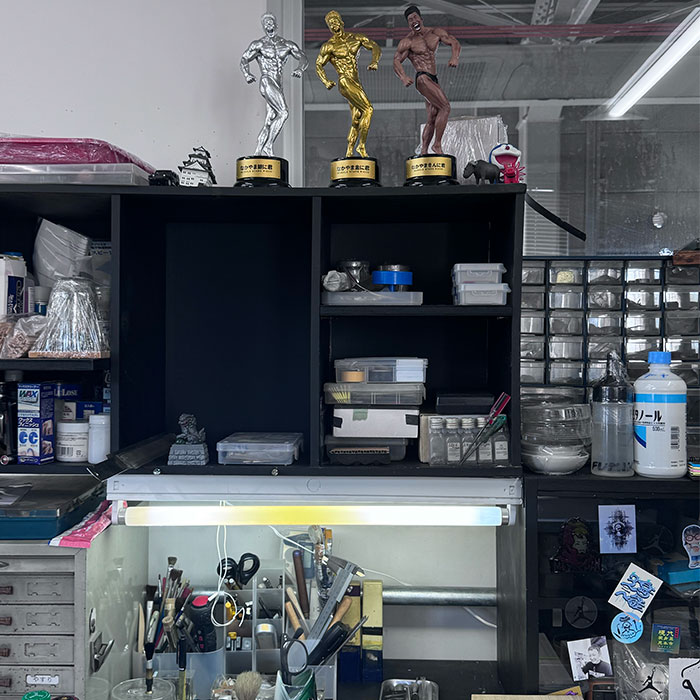
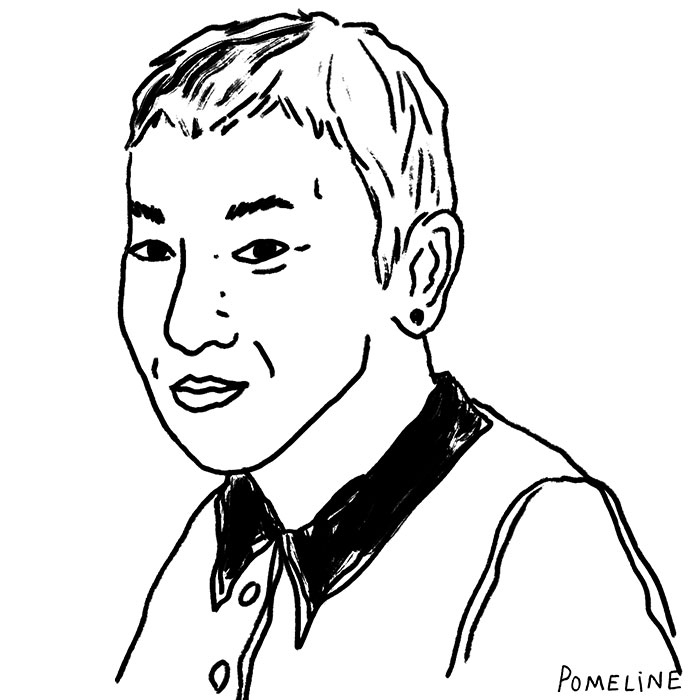
To meet Fumiki Taguchi, I traveled to Kobe Design University, where he is an associate professor. I was accompanied by Tomomi Hermelin, my Japanese friend and an expert in fine crafts, whose flawless command of French made our conversations especially fluid. Taguchi led us across the campus—a low-slung complex of interconnected spaces arranged around broad lawns—to the university’s expansive workshops and, finally, his workbench.

White Expression: The Signature Series

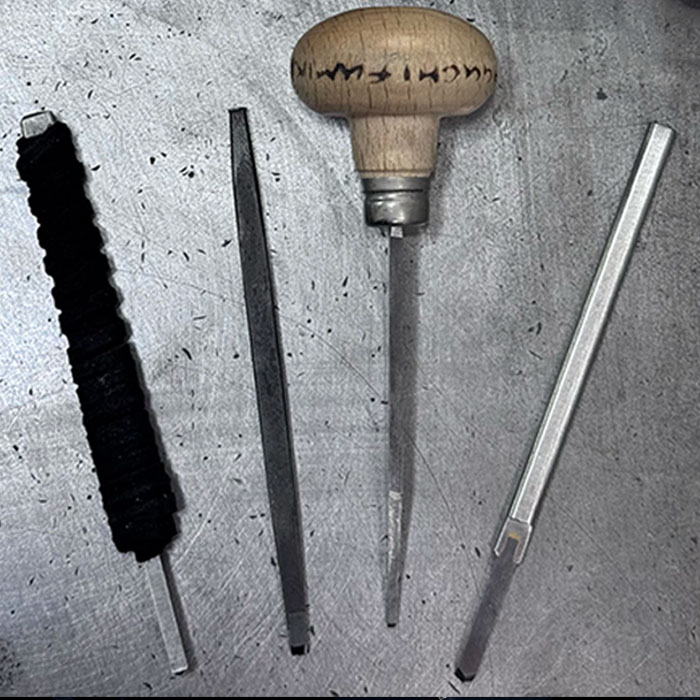
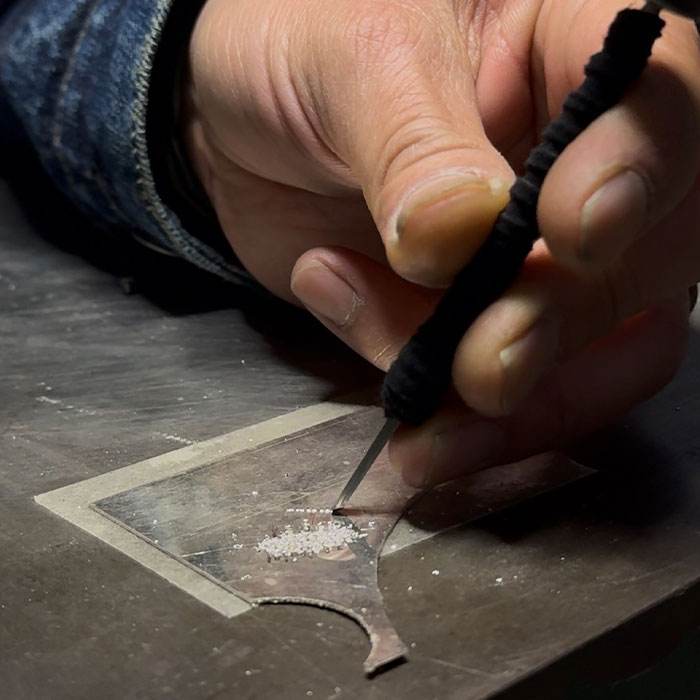
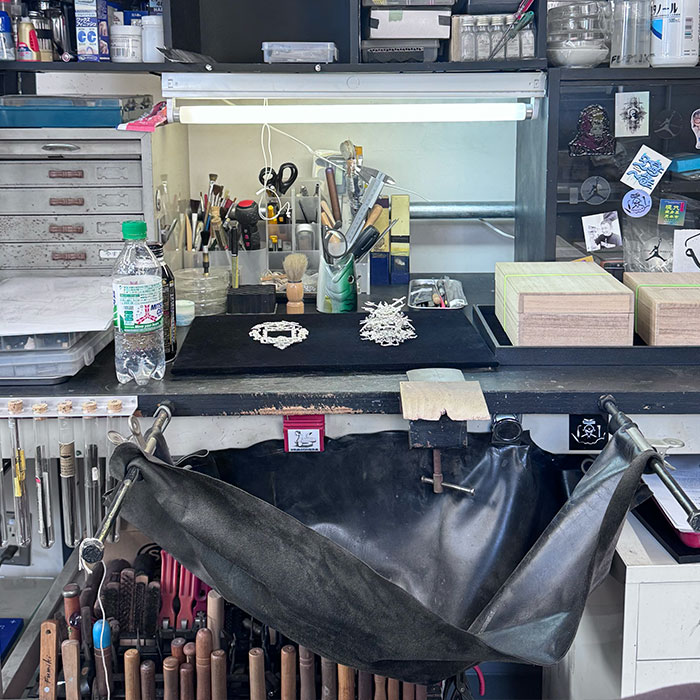
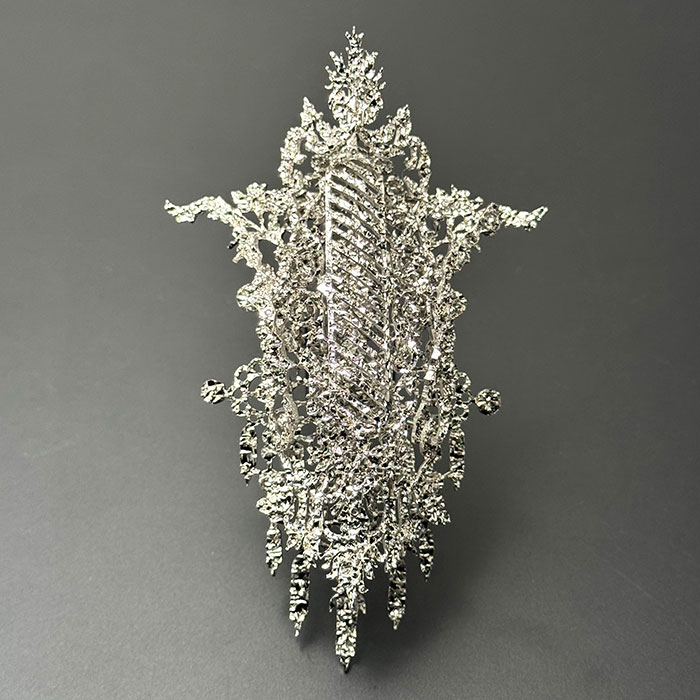
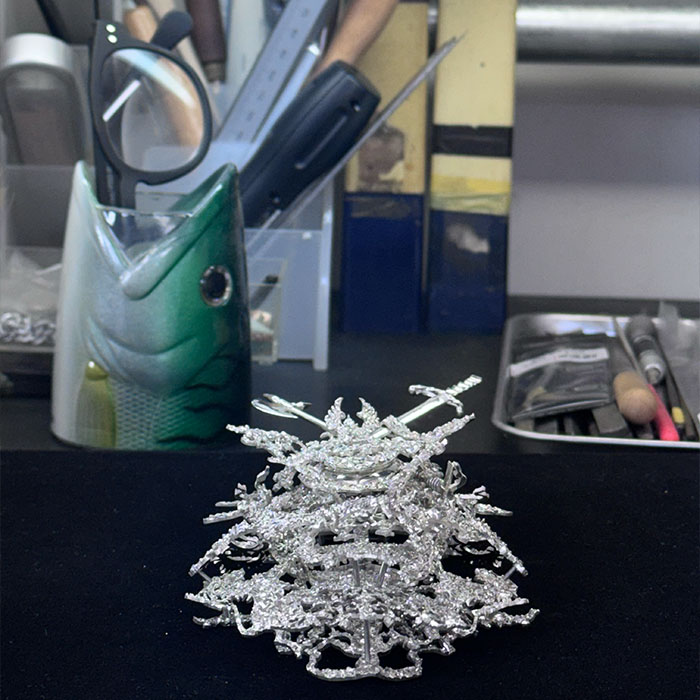
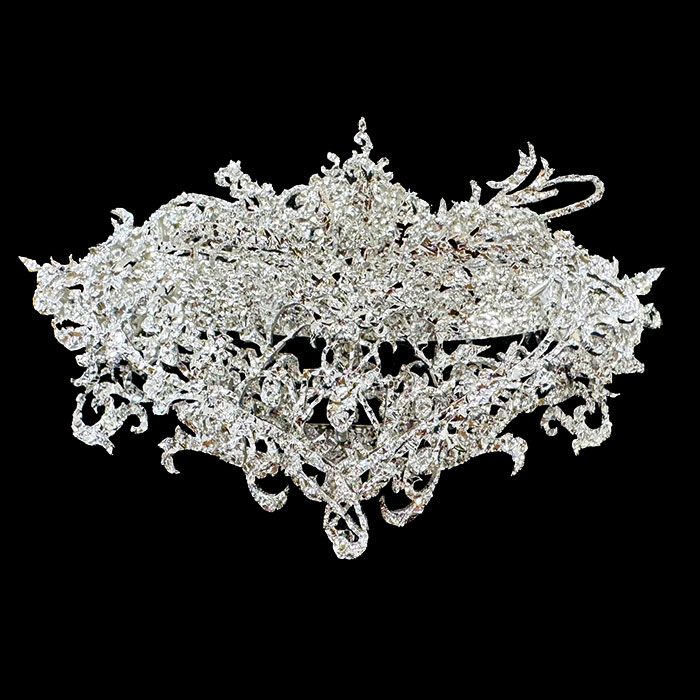
Resting on his workbench, the imposing brooch-pendants from the White Expression series appear to be entirely set with diamonds or crystals. It is an illusion: they contain no stones, and their brilliance comes solely from the worked silver. Fumiki Taguchi achieves this effect through his own adaptation of wabori, a Japanese metal-engraving technique practiced with steel chisels known as tagane, traditionally used to decorate sword fittings, armor, and precious-metal objects. “To create new textures, I made and adapted my own tools while developing specific striking techniques,” the artist explains. He shows me the modified tip of one of his tagane. By varying the angle, force, and rhythm of his blows, he creates distinctive indentations and facets that capture, fragment, and reflect the light, giving the silver the appearance of a cut gemstone. Taguchi applies this technique to every component of his jewelry before layering the elements and meticulously assembling them with tiny exposed screws. This sophisticated construction gives the pieces a modular quality: they can be taken apart, repaired, or reconfigured. Despite their layered volumes and complexity, the pieces remain surprisingly light.

From Tankin to Jewelry

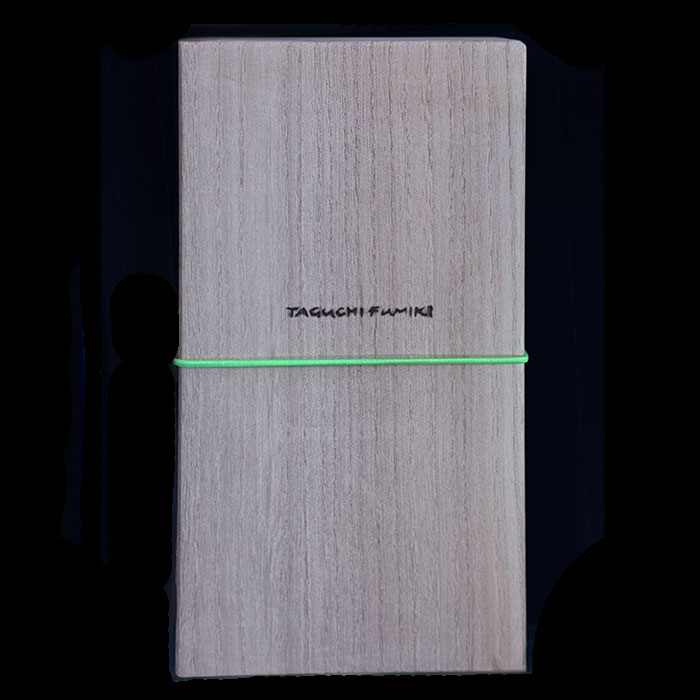
Initially interested in drawing and engineering, Fumiki Taguchi discovered metalwork at Tokyo University of the Arts under a professor specializing in tankin. Also known as metal hammering, this Japanese technique involves hammering and shaping sheet metal, particularly to create large hollow forms. “Hammering metal for long periods until a form emerges draws me into a state of intense concentration and gives me an immediate sense of pleasure,” he explains. He also became fascinated by the precision of the gesture, the material’s reactions, and the possibilities offered by soldering. Yet he chose the intimate scale of jewelry, which was closer to his sensibility. His training was profoundly shaped by an apprenticeship he began in 2002, while still a student, with Yasuki Hiramatsu (1926–2012) [1], who came from a family of goldsmiths and was a pioneer of contemporary Japanese jewelry. This transmission of knowledge did not initially take the form of technical instruction. Instead, it developed through a master-apprentice relationship grounded in observation, time, and participation in the daily life of the studio. “During the first year, I tended the garden beside the small tea-ceremony room. In the second year, I was finally allowed into the studio to write technical specification sheets and prepare the cedar boxes for the pieces,” he recalls with amusement. Over the course of this long apprenticeship, Fumiki Taguchi learned to understand the organization of the studio, the sequence of operations, and the demands involved in making an object. Hiramatsu passed on knowledge that was at once visual, physical, and almost intuitive: how to observe a material, recognize the proportions of an alloy, anticipate its transformation under heat, and understand what each gesture allows it—or does not allow it—to become.

After Hiramatsu: Finding His Own Path

Toward the end of his life, even from his hospital bed, Hiramatsu continued to fold and crumple the sheets of metal Fumiki Taguchi had prepared for him in the studio. “We spent an enormous amount of time together. At his side, I learned not only technical skills, but also a philosophy of life.” After his master’s death, Taguchi went through a long period of emptiness. He realized that his own gestures resembled Hiramatsu’s and that he now needed to find a language of his own. A trip to Munich opened new perspectives. In churches and throughout the urban landscape, he observed coats of arms and Gothic emblems. He became interested in the way heraldry combines figures, colors, and signs of rank into immediately legible compositions. He then borrowed certain codes from traditional fine jewelry—faceting, brilliance, exposed settings, and an aura of preciousness—and transposed them into silver. In his signature White Expression series, he brings together Hiramatsu’s teachings, the gestural precision of wabori, and the imagery of European heraldry.

[1] The Scottish Gallery, Professor Yasuki Hiramatsu Memorial Exhibition, Edinburgh, The Scottish Gallery, 2014; Petra Hölscher, “Yasuki Hiramatsu (1926–2012),” Art Jewelry Forum, May 29, 2012 (accessed July 25, 2026).


Learn more about my exhibition “Japan, Stillness & Substance” (“Japon, Murmures et Matières) at Sotheby’s Paris from October 1–6, 2026, as part of Parcours Bijoux 2026, and explore Jewelry in Japan.

Opening talk (registration required) on October 1, 2026, at 6:00 p.m. at Sotheby’s Paris, with three of the artists in attendance : Mariko Sumioka, Shinji Nakaba, Aya Iwata.

To meet Fumiki Taguchi, I traveled to Kobe Design University, where he is an associate professor. I was accompanied by Tomomi Hermelin, my Japanese friend and an expert in fine crafts, whose flawless command of French made our conversations especially fluid. Taguchi led us across the campus—a low-slung complex of interconnected spaces arranged around broad lawns—to the university’s expansive workshops and, finally, his workbench.

White Expression: The Signature Series

Resting on his workbench, the imposing brooch-pendants from the White Expression series appear to be entirely set with diamonds or crystals. It is an illusion: they contain no stones, and their brilliance comes solely from the worked silver. Fumiki Taguchi achieves this effect through his own adaptation of wabori, a Japanese metal-engraving technique practiced with steel chisels known as tagane, traditionally used to decorate sword fittings, armor, and precious-metal objects. “To create new textures, I made and adapted my own tools while developing specific striking techniques,” the artist explains. He shows me the modified tip of one of his tagane. By varying the angle, force, and rhythm of his blows, he creates distinctive indentations and facets that capture, fragment, and reflect the light, giving the silver the appearance of a cut gemstone. Taguchi applies this technique to every component of his jewelry before layering the elements and meticulously assembling them with tiny exposed screws. This sophisticated construction gives the pieces a modular quality: they can be taken apart, repaired, or reconfigured. Despite their layered volumes and complexity, the pieces remain surprisingly light.

From Tankin to Jewelry

Initially interested in drawing and engineering, Fumiki Taguchi discovered metalwork at Tokyo University of the Arts under a professor specializing in tankin. Also known as metal hammering, this Japanese technique involves hammering and shaping sheet metal, particularly to create large hollow forms. “Hammering metal for long periods until a form emerges draws me into a state of intense concentration and gives me an immediate sense of pleasure,” he explains. He also became fascinated by the precision of the gesture, the material’s reactions, and the possibilities offered by soldering. Yet he chose the intimate scale of jewelry, which was closer to his sensibility. His training was profoundly shaped by an apprenticeship he began in 2002, while still a student, with Yasuki Hiramatsu (1926–2012) [1], who came from a family of goldsmiths and was a pioneer of contemporary Japanese jewelry. This transmission of knowledge did not initially take the form of technical instruction. Instead, it developed through a master-apprentice relationship grounded in observation, time, and participation in the daily life of the studio. “During the first year, I tended the garden beside the small tea-ceremony room. In the second year, I was finally allowed into the studio to write technical specification sheets and prepare the cedar boxes for the pieces,” he recalls with amusement. Over the course of this long apprenticeship, Fumiki Taguchi learned to understand the organization of the studio, the sequence of operations, and the demands involved in making an object. Hiramatsu passed on knowledge that was at once visual, physical, and almost intuitive: how to observe a material, recognize the proportions of an alloy, anticipate its transformation under heat, and understand what each gesture allows it—or does not allow it—to become.

After Hiramatsu: Finding His Own Path

Toward the end of his life, even from his hospital bed, Hiramatsu continued to fold and crumple the sheets of metal Fumiki Taguchi had prepared for him in the studio. “We spent an enormous amount of time together. At his side, I learned not only technical skills, but also a philosophy of life.” After his master’s death, Taguchi went through a long period of emptiness. He realized that his own gestures resembled Hiramatsu’s and that he now needed to find a language of his own. A trip to Munich opened new perspectives. In churches and throughout the urban landscape, he observed coats of arms and Gothic emblems. He became interested in the way heraldry combines figures, colors, and signs of rank into immediately legible compositions. He then borrowed certain codes from traditional fine jewelry—faceting, brilliance, exposed settings, and an aura of preciousness—and transposed them into silver. In his signature White Expression series, he brings together Hiramatsu’s teachings, the gestural precision of wabori, and the imagery of European heraldry.

[1] The Scottish Gallery, Professor Yasuki Hiramatsu Memorial Exhibition, Edinburgh, The Scottish Gallery, 2014; Petra Hölscher, “Yasuki Hiramatsu (1926–2012),” Art Jewelry Forum, May 29, 2012 (accessed July 25, 2026).


Learn more about my exhibition “Japan, Stillness & Substance” (“Japon, Murmures et Matières) at Sotheby’s Paris from October 1–6, 2026, as part of Parcours Bijoux 2026, and explore Jewelry in Japan.

Opening talk (registration required) on October 1, 2026, at 6:00 p.m. at Sotheby’s Paris, with three of the artists in attendance : Mariko Sumioka, Shinji Nakaba, Aya Iwata.

Most read articles