


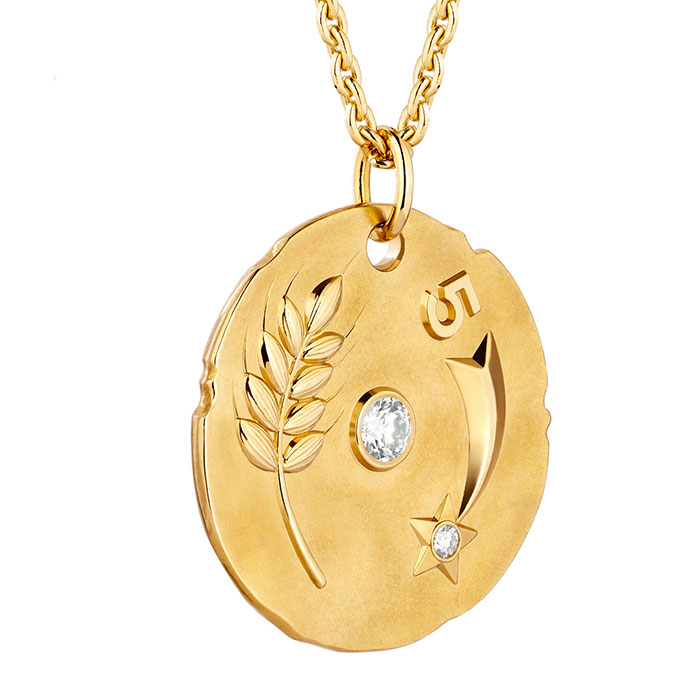
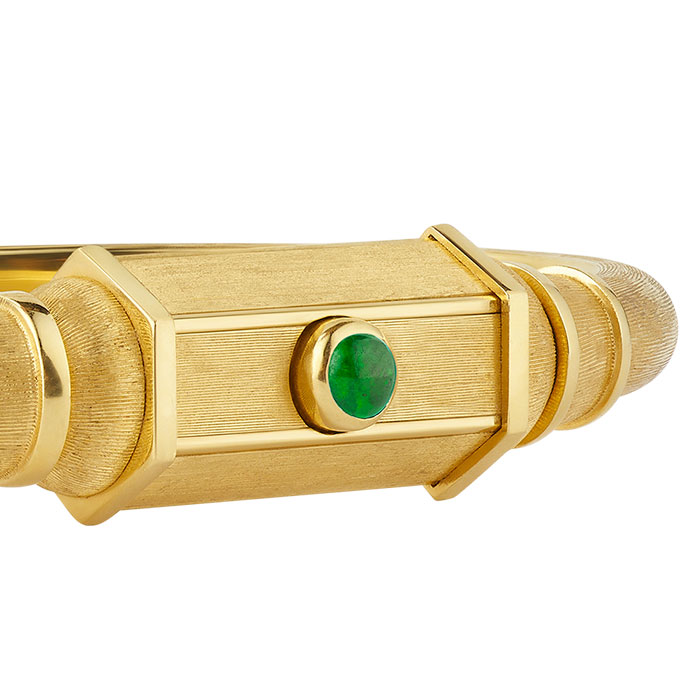
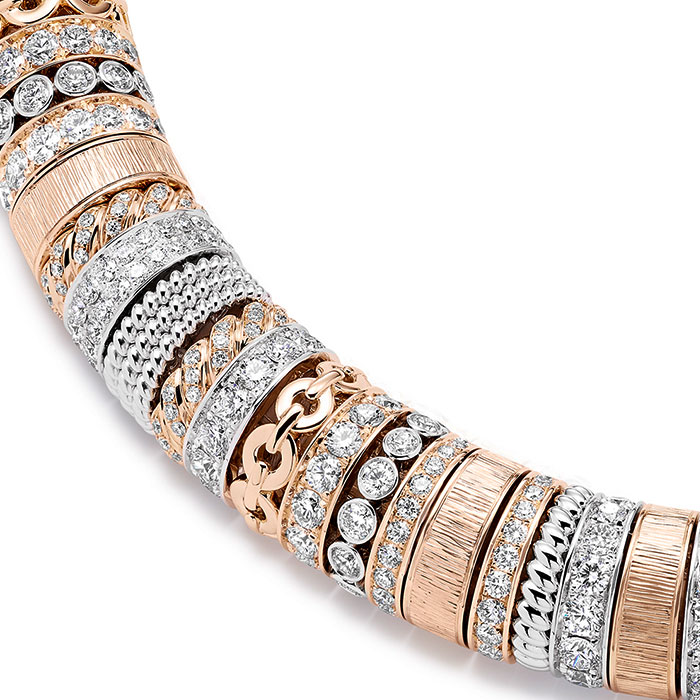
For a long time, little attention was paid to the polishing of gold or silver, the final stage in the creation of a piece of jewelry. It had to shine, but no more than that, and it was judged with the naked eye, which explains why defects sometimes remain on antique jewelry. Many pieces still bear the marks, scratches, and dents left by the jeweler’s and gem setter’s tools. “Nowadays, companies demand absolute perfection. Gold and silver must no longer simply be shiny, but exceptionally shiny, to the point of becoming mirror-like. They hunt down the slightest nano-flaw with a magnifying glass, i.e., magnified 20 or 30 times, notes a workshop manager. One might question the need for such perfection, since no one will see it that way…”
In praise of perfection
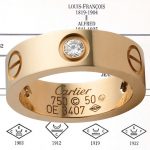
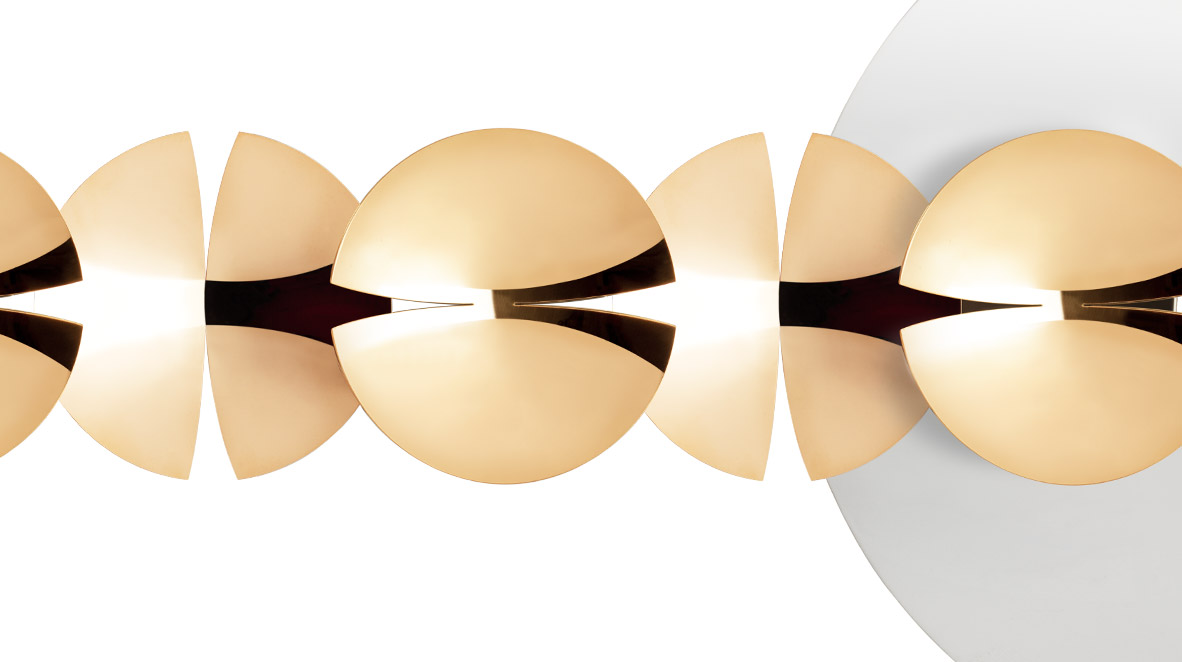
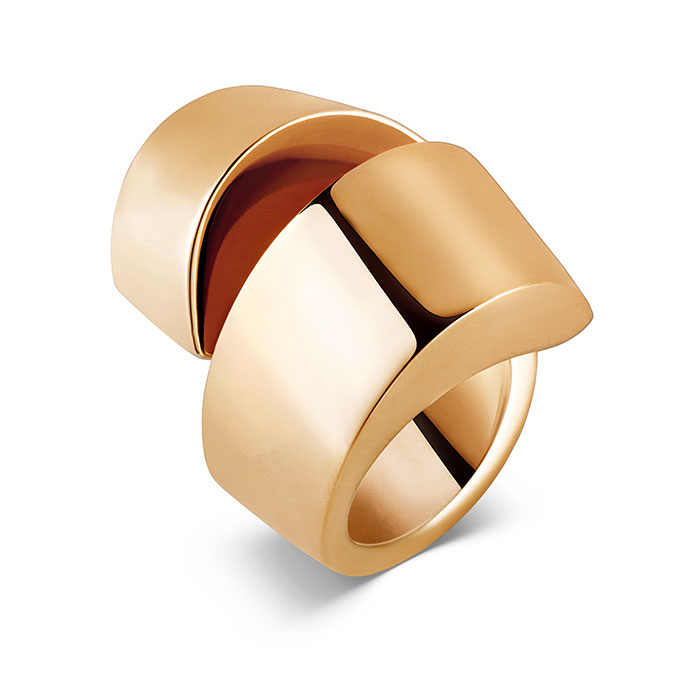
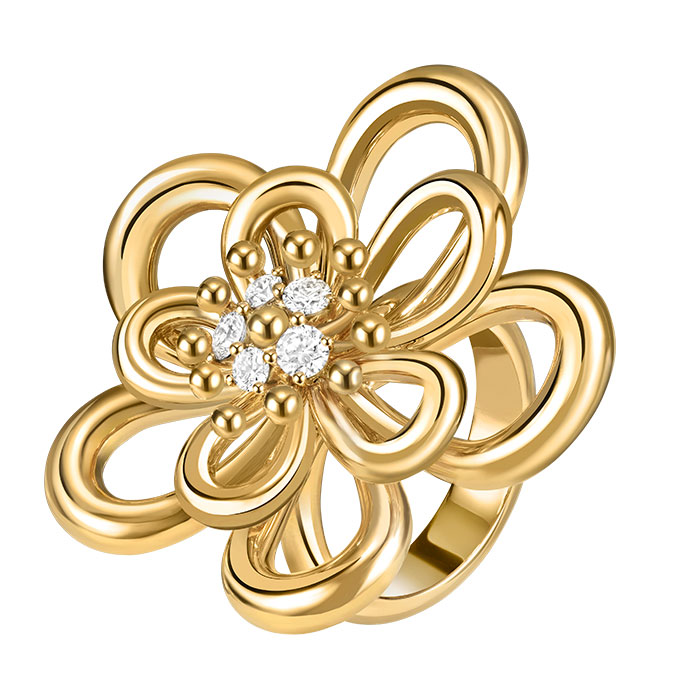
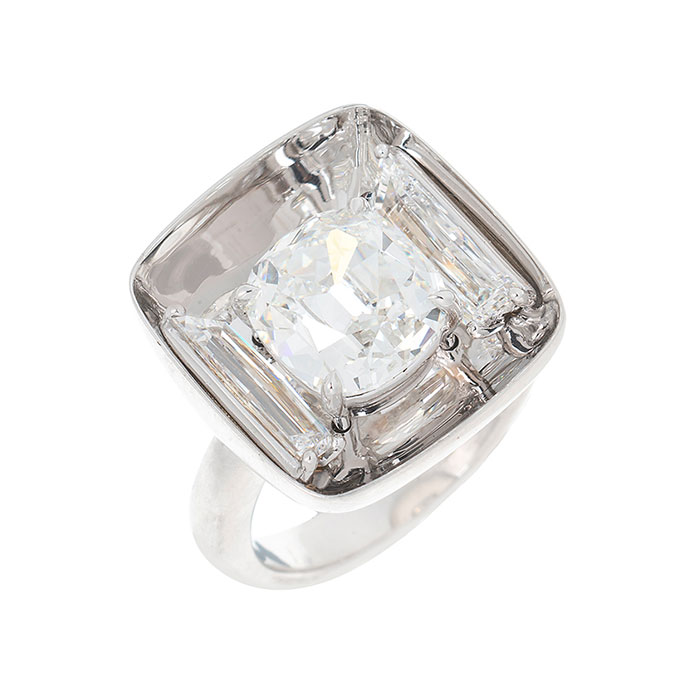
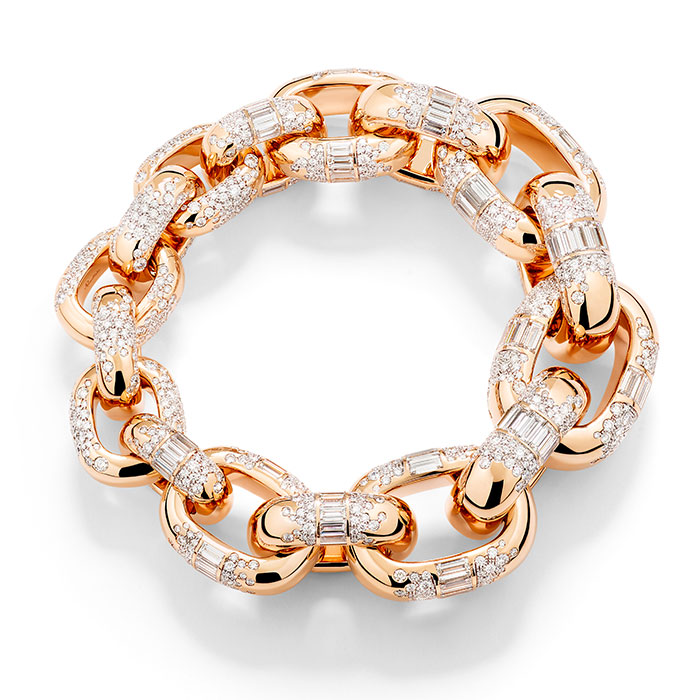
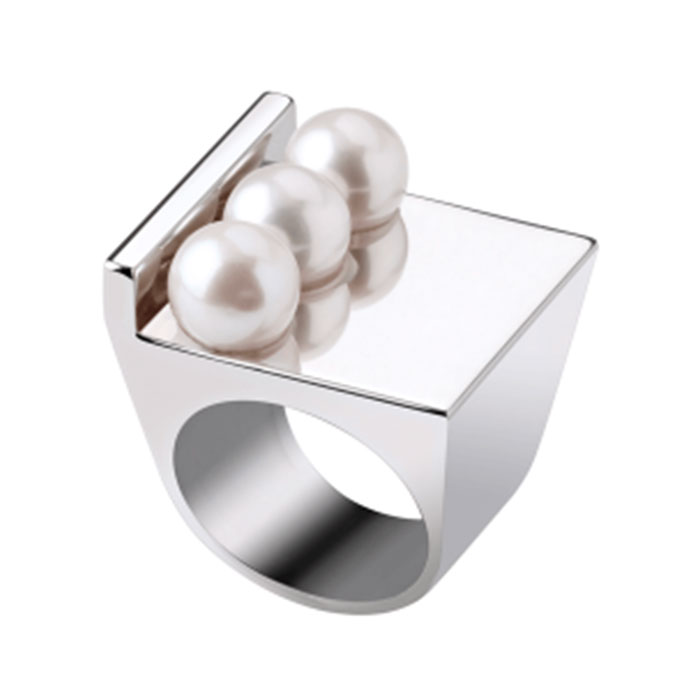
This reflective finish is used on most jewelry, from affordable solid gold pieces sold in their thousands (such as Alhambra, Love, Quatre, etc.) to highly gem-set fine jewelry pieces. It amplifies the perceived value for customers because, visually, the unabsorbed light creates a flash effect on the sparkle of the faceted stones. Everything is reflected, creating a third dimension where the sparkle of Nikos Koulis’ diamond is multiplied, set deep within a perfectly polished embossed shell. “The effect is particularly spectacular with round shapes that seem to be reflected on a stretch of water,” explains Marc Deloche. Full metal jewelry comes alive depending on the environment, becoming the backdrop for infinite plays of light and shadow, creating fascinating kaleidoscopes.
An essential complement
Mirror polishing can be used more sparingly as a luminous counterpoint. At Piaget, it punctuates the alternation of hard stones and diamonds, textured golds, Palace (chiselled), beaded, gadrooned, etc. French designer Marie Lichtenberg uses it to reinforce and sharpen the contours, edges, and angles of her Lockets and Scapulaires: “These touches of mirror-polished gold are similar to the white varnish applied to the tips of the nails in a French manicure.” Italian designer Buccellati, known for his sublime textures reminiscent of fabrics, uses it as a “lining” inside gold rings and bracelets to mimic fabrics. Even so, these are true technical feats.
A profession in its own right
After being ignored for decades, polishers are now praised and admired. We discover their long and methodical work of removing metal to eliminate flaws, much like a painter before coating a wall. They pass and repass brushes with increasingly fine grains, first in one direction and then the other, firmly but lightly, taking care to always keep moving so as not to create hollows or round off the corners. We are fascinated by their dexterity in transforming the jewelry from a dull, matte finish to a brilliant shine, while ensuring that the initial volume of the piece is respected, that not a single prong is overlooked, and that every nook and cranny is reached. As this finish is very fragile (the slightest speck of dust causes a scratch), it is easy to understand why they are required to wear gloves when handling the pieces.
But beware of this absolute perfection which, unlike hammered, brushed, or sandblasted finishes, flirts with the current aesthetic filtered and manufactured by artificial intelligence, which tolerates no flaws.
Banner image : Marc Deloche necklace
Related articles: